
Docs
Metanet Client and Explorer guides for users, builders and AI agents: setup, funding, payments, recovery, FAQs and portable BRC-100 integrations.
Use Metanet Client on desktop or Metanet Explorer on mobile, and build BSV applications with user-held keys. Start with the task you want to complete, then use the shared BRC-100 guides for portable integrations.
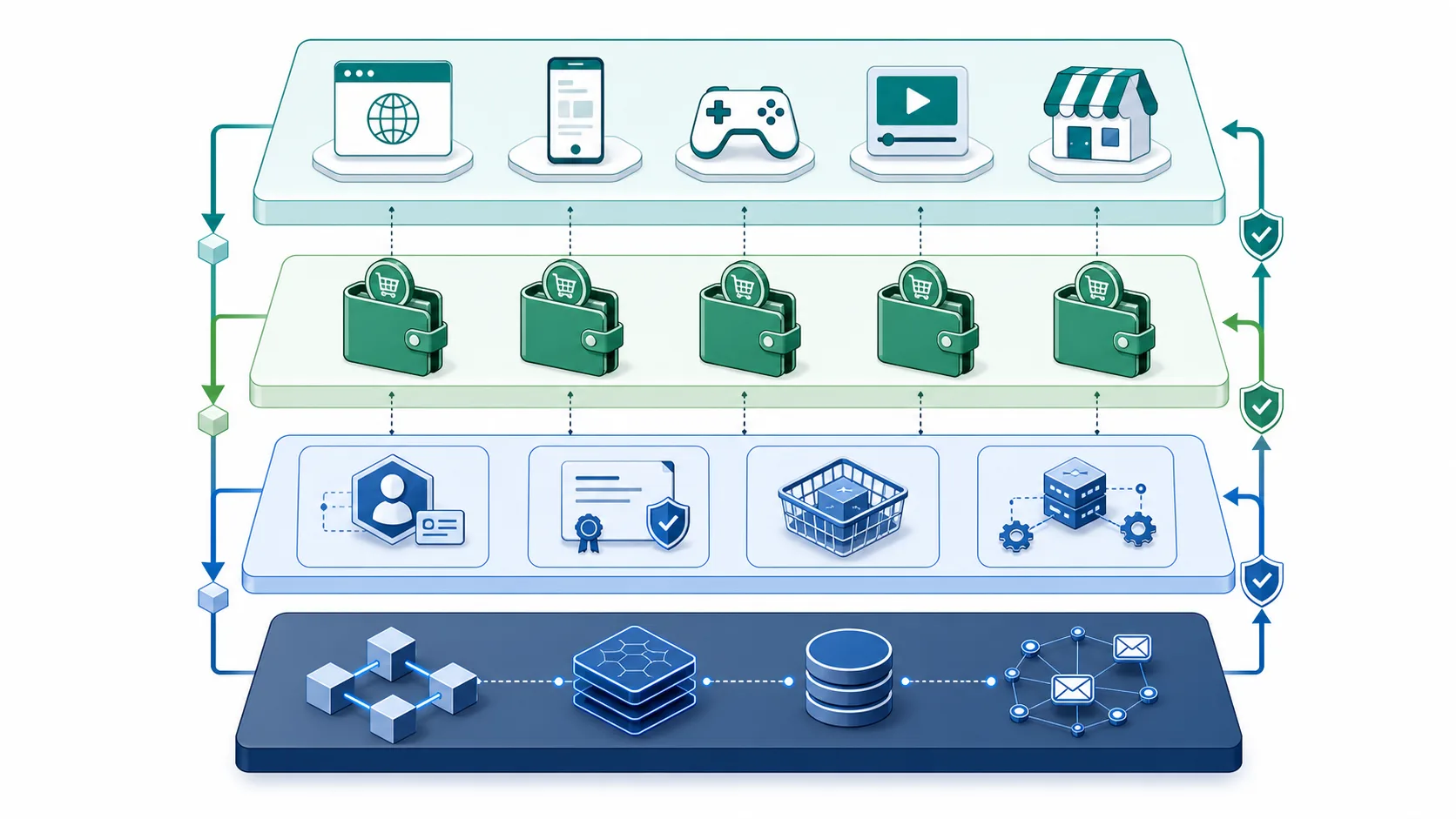
The core idea is simple: your app asks a wallet for permissioned capabilities through the BRC-100 interface. The wallet keeps private keys with the user, exposes identity and transaction tools to approved apps, and coordinates with BSV infrastructure such as overlays, MessageBox, UHRP storage, and HTTP 402 payment flows.
Start Here
- Metanet Client: desktop setup, funding, payments, recovery and FAQs.
- Metanet Explorer: mobile browser/wallet setup and troubleshooting.
- Top up from an exchange: identity keys, traditional addresses and Mountaintops import steps.
- Support and AI agents: accurate answers and machine-readable references.
For a first no-spend success path, run the maintained starter at use.bsv.tools before using these docs as reference material.
Choose Your Path
| Goal | Read |
|---|---|
| Learn the mental model | Concepts |
| Build a working feature | Quickstarts |
| Integrate a specific capability | Guides |
| Add wallet-native auth | Wallet authentication |
| Store local UTXO state | Baskets |
| Build public or multi-party state | Overlays |
| Serve verifiable media | Storage and UHRP |
| Add payments | Micropayments |
The 2026 BSV Developer Stack
Use these components as the default map unless a guide says otherwise:
- BRC-100 wallet interface: the portable app-to-wallet API.
- Wallet implementations: Metanet Client on desktop and Explorer on mobile; verify portability with other supported BRC-100 implementations such as BSV Desktop and BSV Browser.
- TypeScript SDK:
@bsv/sdkfor WalletClient, AuthFetch, transactions, PushDrop, certificates, storage helpers, and protocol utilities. - Wallet Toolbox: wallet infrastructure for building and operating BRC-100 wallets across TypeScript, Go, and Python ecosystems.
- Overlays: topic managers and lookup services for app-specific public state.
- MessageBox: encrypted peer-to-peer delivery for direct app coordination.
- UHRP storage: content-addressed media hosting and resolution.
- 402 payments: HTTP-native payment flows for APIs, media, and services.
Current References
- BRC-100 wallet interface
- BSV TypeScript SDK
- Wallet reference
- BSV Desktop
- BSV Browser
- TypeScript SDK and Wallet Toolbox source
Pressure-Test the Premise
These docs explain how to build with the stack. For source-linked answers to common BSV objections, tradeoffs, and unresolved questions, use the BSV evidence desk.